
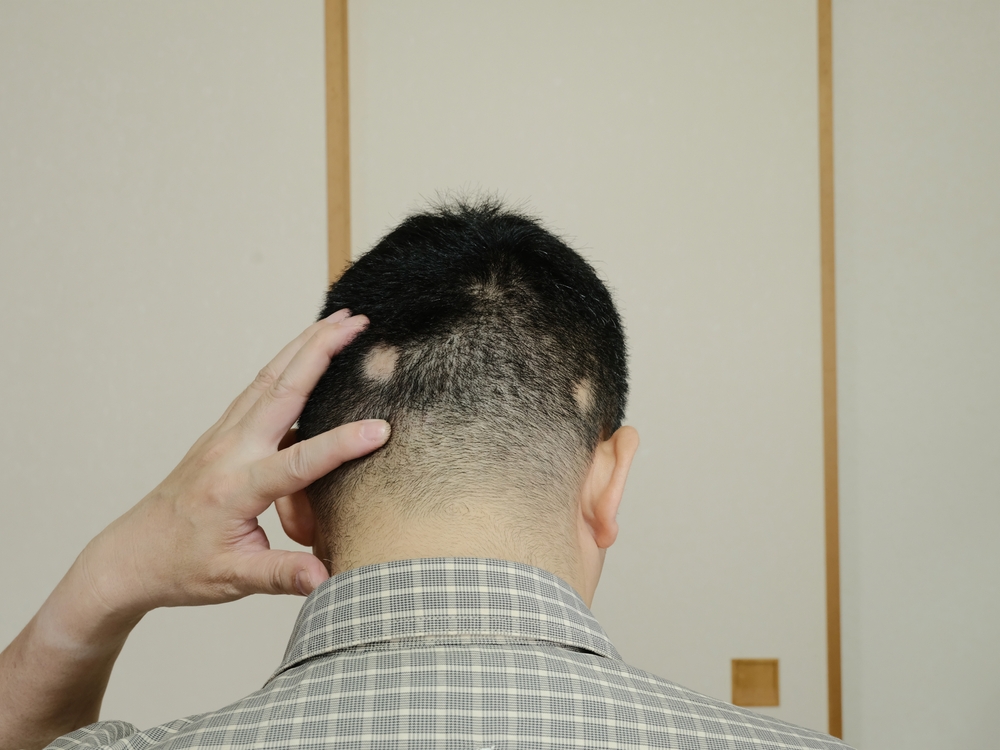
Hair loss is frustrating enough on its own, but when it’s accompanied by pain, itching, and / or burning, it is even more so.
Scarring alopecia, an inflammatory condition, can happen slowly or suddenly, and by the time you notice, the damage may already be done.
Thankfully, there’s growing awareness and innovation around scarring alopecia treatments in Montgomery County, MD, such as HCPR!
That’s why we’re diving into what you need to know to get ahead of it before it progresses further.
What Exactly Is Scarring Alopecia?
Also called cicatricial alopecia, scarring alopecia is a distinct type of hair loss caused by inflammation that destroys hair follicles and replaces them with scar tissue.
It’s more common than you might think, and it affects men and women of all backgrounds.
However, it’s most frequently seen in women of African descent, particularly with certain subtypes.
Who’s Most at Risk for Scarring Alopecia?
While anyone can develop scarring alopecia, people with autoimmune conditions, inflammatory skin disorders, or a family history of hair loss have a greater risk.
It’s also more prevalent among women in their 30s to 50s and individuals with tightly coiled hair who frequently wear styles that cause traction or tension on the scalp.
There Are Different Types of This Condition
Different types can present in different ways. Here are the most common:
- Acne keloidalis: Commonly occurs on the nape of the neck, with raised bumps and scarring
- Central centrifugal cicatricial alopecia (CCCA): Typically starts at the crown and spreads outward; most common in Black women
- Discoid lupus erythematosus (DLE): A lupus-related form that causes thick plaques and inflammation
- Dissecting folliculitis: Painful nodules that drain and scar; often found in men
- Folliculitis decalvans (FD): A bacterial-based inflammatory form that causes pustules and patchy baldness
- Frontal fibrosing alopecia (FFA): Often causes a receding hairline and eyebrow loss; most commonly in postmenopausal women
- Lichen planopilaris (LPP): An autoimmune form with scaling, redness, and burning sensations
How Is Scarring Alopecia Diagnosed?
If your hair is thinning in one area and the scalp looks shiny, inflamed, or scarred, it’s time to consult a professional.
A dermatologist will take a detailed history, examine your scalp under magnification, and often perform a scalp biopsy. This small sample helps identify the pattern of inflammation and scarring so they can confirm the diagnosis and determine your type of alopecia.
Early diagnosis is key. The longer scarring alopecia goes untreated, the more follicles get destroyed and the more difficult it becomes to reverse any damage.
You’ll Want to Explore These Treatment Options Right Away
There’s no cure for scarring alopecia, but treatment can help stop its progression and, in some cases, regrow some hair around affected areas. The earlier you start, the better your chances.
Steroid treatments
Topical corticosteroids and steroid injections into the scalp can help calm inflammation, especially for LPP and FD.
Oral medications
Anti-inflammatory drugs, antibiotics (like doxycycline), and immunosuppressants may be prescribed depending on your type.
HCPR injections
Hair Poli Revitalising Complex, or HCPR, is an injectable mesotherapy blend packed with vitamins, peptides, and amino acids that nourish and support struggling follicles.
While HCPR won’t regrow completely scarred areas, it can stimulate healthier growth in follicles that are still viable and extend the life of surrounding hair.
PDGF growth factor injections
Platelet-derived growth factor, or PDGF, improves blood flow, triggers collagen production, and stimulates cellular activity to revive underperforming follicles.
It’s particularly helpful when used early or in combination with other treatments to support scalp health and hair density.
Know These Signs and Symptoms That You Shouldn’t Ignore
If you’re noticing patchy thinning, increased sensitivity, or a scalp that looks shiny or feels tight, it’s time to make that appointment.
Other symptoms of scarring alopecia include:
- Scalp redness or scaling
- Burning, itching, and / or pain
- Sudden widening of your part
- Hair that doesn’t regrow in patches
- Pustules or bumps near thinning areas
As mentioned previously, the earlier you seek help, the more hair you may be able to save.
Why Choose Scarring Alopecia Treatments in Montgomery County, MD?
If you’re looking for effective solutions, you’ll want to find a provider that specializes in non-surgical and regenerative solutions.
Top providers in the area combine medical expertise with advanced techniques like PDGF and HCPR to preserve existing hair and keep inflammation in check.
You’ll get a treatment plan tailored to your subtype, severity, and scalp condition.
You won’t be treated like just another case. They’ll treat your scalp like it’s their own.
How Long Does Treatment Take?
Each injection session with HCPR or PDGF takes about 30 to 45 minutes.
Oral or topical medication management is ongoing, typically requiring follow-up visits every few weeks or months depending on how your condition responds.
How Long Is Recovery Period After Treatment?
There’s little to no downtime with non-surgical treatments.
After injections, you may notice mild redness or tenderness at the site for a day or two, but it won’t keep you from your daily routine. You may just need to skip heat styling or heavy products for a day.
Are You a Good Candidate for These Treatments? You Likely Are!
If your hair loss is localized, patchy, accompanied by inflammation, and / or progressing rapidly, you might be dealing with scarring alopecia.
You’re probably a great candidate for treatment if you still have some visible hair in affected areas, as this means your follicles may still respond to therapy.
Even if the damage is more advanced, treatments can still help reduce discomfort, halt the spread, and improve the appearance of surrounding hair.
How Do I Choose the Right Provider?
You need a provider with real experience in medical hair restoration and scarring alopecia. Look for someone who:
- Uses therapies like HCPR and PDGF
- Tailors treatment plans to your specific type of hair loss
- Has proven success through before-and-after photos
- Provides ongoing care and check-ins
Online reviews, credentials, and consultations will help you narrow it down to a top provider.
Do I Need to Prepare Before Treatment?
In most cases, all you need is a clean scalp and a list of any medications you’re currently taking.
Avoid anti-inflammatory drugs and alcohol the day before any injections, as they can increase your chances of bruising.
Your provider will give you specific prep instructions ahead of time.
Does Insurance Cover the Scarring Alopecia Treatments Above?
Unfortunately, most regenerative and peptide-based therapies like HCPR and PDGF are considered cosmetic, so they’re not typically covered by insurance.
However, topical steroids and other prescriptions might be covered depending on your plan.
If you’re working with a provider that accepts Cherry, you can break up the cost of your care into low monthly payments.
This way, you don’t have to delay starting your treatment while your hair loss or thinning continues.
Amazing Results From Scarring Alopecia Treatments in Montgomery County, MD Are Achieved Here at Moksha Aesthetics
You don’t have to settle for hats and scarves to cover up or deal with the frustration and disappointment of treatments that don’t work.
Call our team at 240-907-5009 to schedule a consultation and take the first step toward treating scarring alopecia with advanced, personalized care that makes all the difference!
We offer HCPR, PDGF, and other options to help you regrow natural hair you can run your fingers through!